
A Homeowner's Guide to Outdoor Kitchen Hardscaping
An outdoor kitchen can transform a backyard into a versatile gathering space where homeowners can prepare meals, entertain guests, and enjoy the fresh air. However, creating a functional cooking area involves more than choosing a grill and arranging a few chairs. The surrounding surfaces, layout, materials, and connections to existing outdoor features all contribute to the finished space. Thoughtful hardscaping provides the structure needed to bring these elements together while complementing the home's architecture and landscaping.
Whether you envision a compact grilling station or a spacious entertainment area, understanding the planning process can help you make informed decisions. By considering your property's layout, selecting durable materials, and prioritizing functionality, you can create an outdoor kitchen that supports your lifestyle and enhances your backyard.
Plan Your Outdoor Kitchen Around Your Property and Lifestyle
Evaluate Your Available Space and Layout
Before selecting materials or finalizing a design, assess the available space and determine how you want to use your outdoor kitchen. Consider the size of your backyard, the location of existing patios, the proximity of your home, and the amount of room needed for cooking, dining, and entertaining. A smaller property may benefit from a compact kitchen positioned along an existing patio, while a larger yard might accommodate separate cooking, dining, and lounging areas.
The layout should also provide comfortable movement between different zones. Leave enough room for people to walk around cooking equipment, pull out chairs, and gather without crowding the preparation area. Incorporating these considerations into the initial hardscaping plan helps establish a practical foundation for the entire project. A carefully arranged space can make everyday outdoor meals convenient while allowing larger gatherings to feel comfortable and organized.
Decide Which Features Matter Most
Your intended use should guide the features included in your outdoor kitchen. Homeowners who frequently host family dinners may prioritize generous counter space, convenient food preparation areas, and nearby seating. Those who primarily grill on weekends might prefer a simpler arrangement with a built-in grill, a small countertop, and storage for essential supplies. Identifying your priorities early helps you allocate space and resources toward features that will provide the greatest value.
According to This Old House, approximately 12% of homeowners undertaking property renovations are adding an outdoor kitchen or upgrading an existing one. This interest highlights the appeal of creating more opportunities to cook and entertain outside. However, the ideal design depends on your household's needs rather than any particular trend. A personalized plan can account for your cooking habits, preferred entertaining style, and available space without introducing unnecessary features.
Choose Durable Materials for a Functional Outdoor Kitchen
Compare Stone, Pavers, Granite, and Other Surfaces
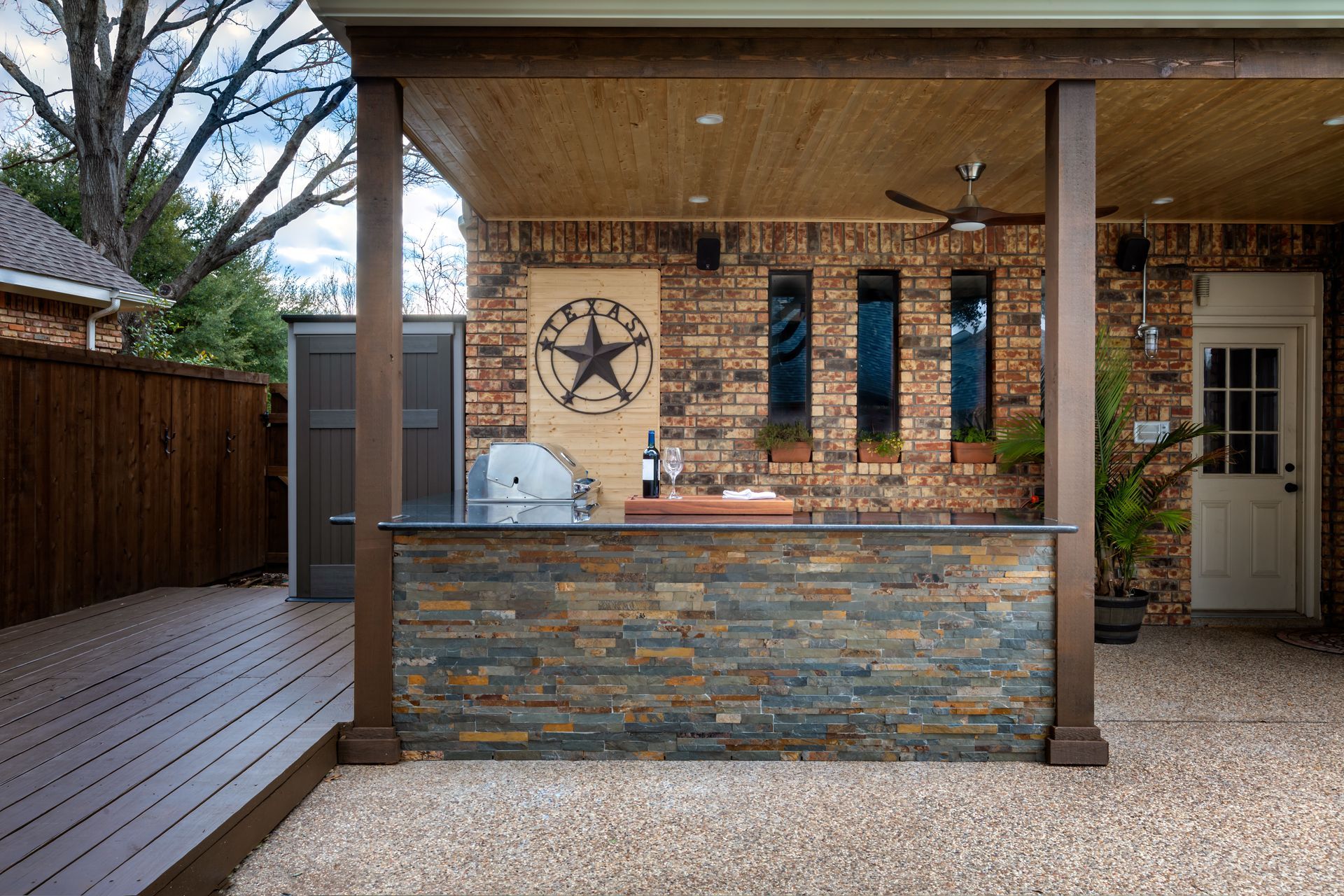
Material selection affects the appearance, durability, and usability of an outdoor kitchen. Natural stone offers distinctive colors and textures that complement a variety of landscape styles, from rustic gardens to more contemporary settings. Concrete pavers provide flexibility in pattern and arrangement, making them useful for patios and walkways surrounding the cooking area. Granite can create an attractive, substantial countertop surface, while stainless steel is frequently used for outdoor appliances and other kitchen components.
Each material has different performance characteristics, so consider how it will respond to weather, moisture, temperature changes, and regular use. Countertops should be appropriate for outdoor exposure, and paving materials should provide a stable, comfortable walking surface. Hardscaping choices should also account for cleaning requirements, the potential for staining, and the finishes best suited to your intended use. Comparing these factors before construction helps you choose materials that balance appearance and practical performance.
Prepare a Stable Foundation and Manage Drainage
A durable outdoor kitchen begins with proper site preparation. The ground beneath patios, walkways, and built-in kitchen structures must be evaluated to determine the appropriate foundation and construction methods. Depending on the property, preparation may involve excavation, grading, compacted base materials, and careful installation of the selected surfaces. These steps help establish stability and reduce the likelihood of uneven areas developing over time.
Drainage deserves particular attention because water can affect both the kitchen and the surrounding landscape. The finished design should direct rainwater away from the home and other vulnerable structures without creating standing water near cooking or dining areas. Existing slopes, soil conditions, and nearby hard surfaces can all influence drainage decisions. Professional hardscaping helps coordinate these requirements so the outdoor kitchen functions reliably while maintaining a clean, finished appearance.
Consider Weather Resistance and Long-Term Care
Outdoor kitchens experience conditions that indoor cooking spaces do not, including direct sunlight, rain, temperature fluctuations, and seasonal exposure. Choosing materials specifically suited to outdoor applications helps preserve their appearance and structural performance. Countertops, paving, cabinetry, and decorative features should be selected with their intended exposure in mind. Material compatibility is also important because different components may respond differently to moisture and changing temperatures.
Routine care can help maintain the finished installation. Depending on the materials used, homeowners may need to clean surfaces periodically, address spills promptly, inspect joints, and follow manufacturer recommendations for sealing or other protective treatments. Choosing suitable finishes during the planning stage can simplify these tasks. A well-designed kitchen should be attractive and practical, with materials that suit the property's climate and the amount of upkeep the homeowner is prepared to perform.
Integrate Cooking, Dining, and Entertaining Features
Create an Efficient Cooking and Preparation Area
An outdoor kitchen should support the same basic activities as an indoor kitchen while accommodating the conditions of an open-air environment. Position the grill, preparation counters, and storage areas so that ingredients and utensils remain accessible during cooking. If the design includes a sink, refrigerator, or additional cooking appliances, their placement should support an efficient workflow. Adequate counter space can also provide room for serving dishes and setting down ingredients without interfering with the cooking area.
Safety and convenience should guide the arrangement of these hardscaping components. Maintain appropriate clearances around grills and other heat-producing equipment, following manufacturer specifications and applicable building requirements. Consider ventilation, access to utilities, and the location of combustible materials during planning. These practical details should be addressed before the surrounding surfaces and structures are installed, helping the finished kitchen accommodate its equipment without compromising usability.
Add Seating, Lighting, and Comfortable Gathering Areas
Cooking is only one part of the outdoor kitchen experience. Comfortable seating encourages guests to gather while meals are prepared, and a nearby dining area makes it easier to transition from cooking to serving. Depending on the available space, you might incorporate a dining table, a counter with stools, or a separate lounge area. Positioning these features thoughtfully helps distinguish different activities while maintaining a natural connection between them.
Lighting can further improve the usability of the space, particularly when cooking or entertaining after sunset. Task lighting can illuminate preparation and cooking surfaces, while softer ambient lighting can create a welcoming atmosphere around seating areas. Shade structures, umbrellas, or strategically placed landscape features may also improve comfort during sunny weather. Coordinating these additions with the surrounding hardscaping helps the kitchen feel integrated with the broader outdoor living environment.
A successful outdoor kitchen combines attractive materials, thoughtful construction, and a layout tailored to the homeowner's needs. From choosing appropriate surfaces to coordinating patios, seating, and landscape features, each decision contributes to the finished space. Professional planning and installation can help address site conditions, drainage, durability, and design continuity before construction begins. With a carefully developed approach to outdoor kitchen hardscaping, homeowners can create a practical gathering place that complements their property and makes outdoor living more enjoyable. Contact Wolfrath's Nursery & Landscaping today to plan a custom outdoor kitchen that complements your home and enhances your outdoor living space.

Share On: