
How Hardscaping Enhances Both Beauty and Function in Your Yard
Creating a well-designed outdoor space involves more than planting flowers and maintaining a healthy lawn. Hardscaping introduces structural elements such as patios, pathways, retaining walls, and other built features that bring organization, usability, and visual interest to a landscape. These permanent additions help shape the layout of a yard while complementing natural elements like plants, trees, and grass. By blending beauty with functionality, hardscaping can transform an ordinary yard into a more inviting and practical outdoor environment. In this article, we explore how hardscaping enhances both the appearance and usability of your yard while adding lasting value to your property.
Combine Hardscaping and Softscaping to Enhance Visual Appeal
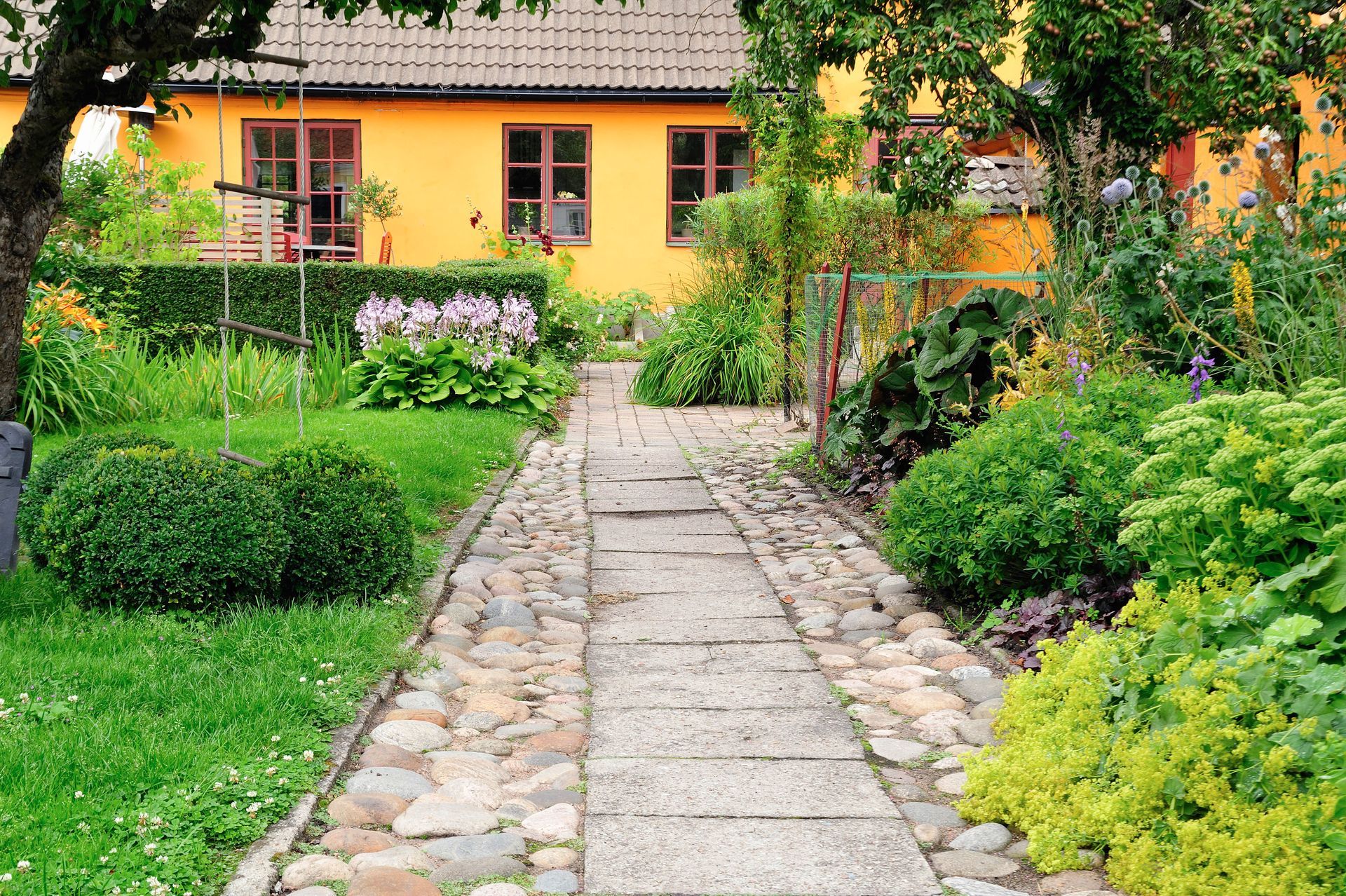
Hardscaping effectively complements softscaping elements to create a balanced and harmonious outdoor environment. The integration of non-living structures like stone pathways with floral landscapes captures attention, providing contrasting textures and colors. For instance, a stone walkway meandering through a lush garden enhances the attractiveness of vibrant blooms while guiding visitors through the space. By working together, hardscaping and softscaping amplify the charm of your yard, drawing eyes to both man-made and natural features. This combined approach ensures that neither element overshadows the other, allowing each to contribute uniquely to the yard's overall appeal.
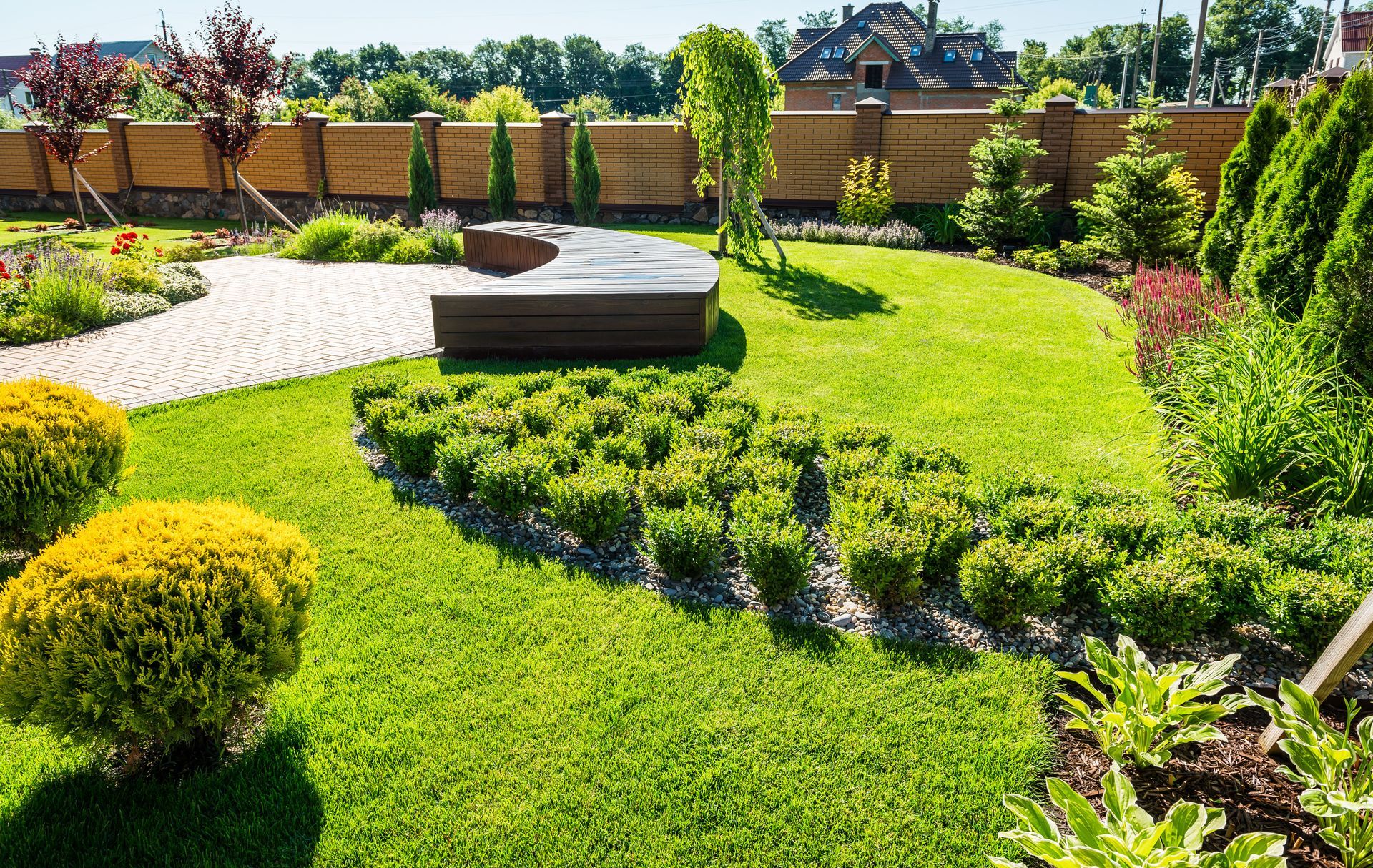
The range of materials available for hardscaping allows for unlimited design possibilities. Materials such as brick, flagstone, and concrete can be manipulated into myriad shapes and patterns, offering personalization to fit individual preferences. With these diverse options, homeowners have the flexibility to create traditional, contemporary, or eclectic styles that effectively enhance their property's visual allure. The choice of material can also influence the atmosphere of the yard, with natural stones often evoking a rustic feel while sleek tiles suggest modernity. Thus, the wide spectrum of hardscaping materials ensures that each outdoor space can be tailored to match the homeowner's vision and aesthetic goals.
Hardscaping creates visual focal points that anchor the landscape, drawing attention to specific areas within the yard. Elements such as statues, water features, or an elegant pergola can serve as the main attractions within an outdoor design. These features provide a central point that captivates and directs the eye, especially when placed strategically amidst more subtle components. By establishing focal points, hardscaping helps define the flow of the space, guiding guests towards desired vistas or gathering spots. Such focal elements, when designed thoughtfully, not only elevate the visual interest of a yard but also create memorable experiences for those who visit.
Improve Yard Functionality With Strategic Hardscape Features
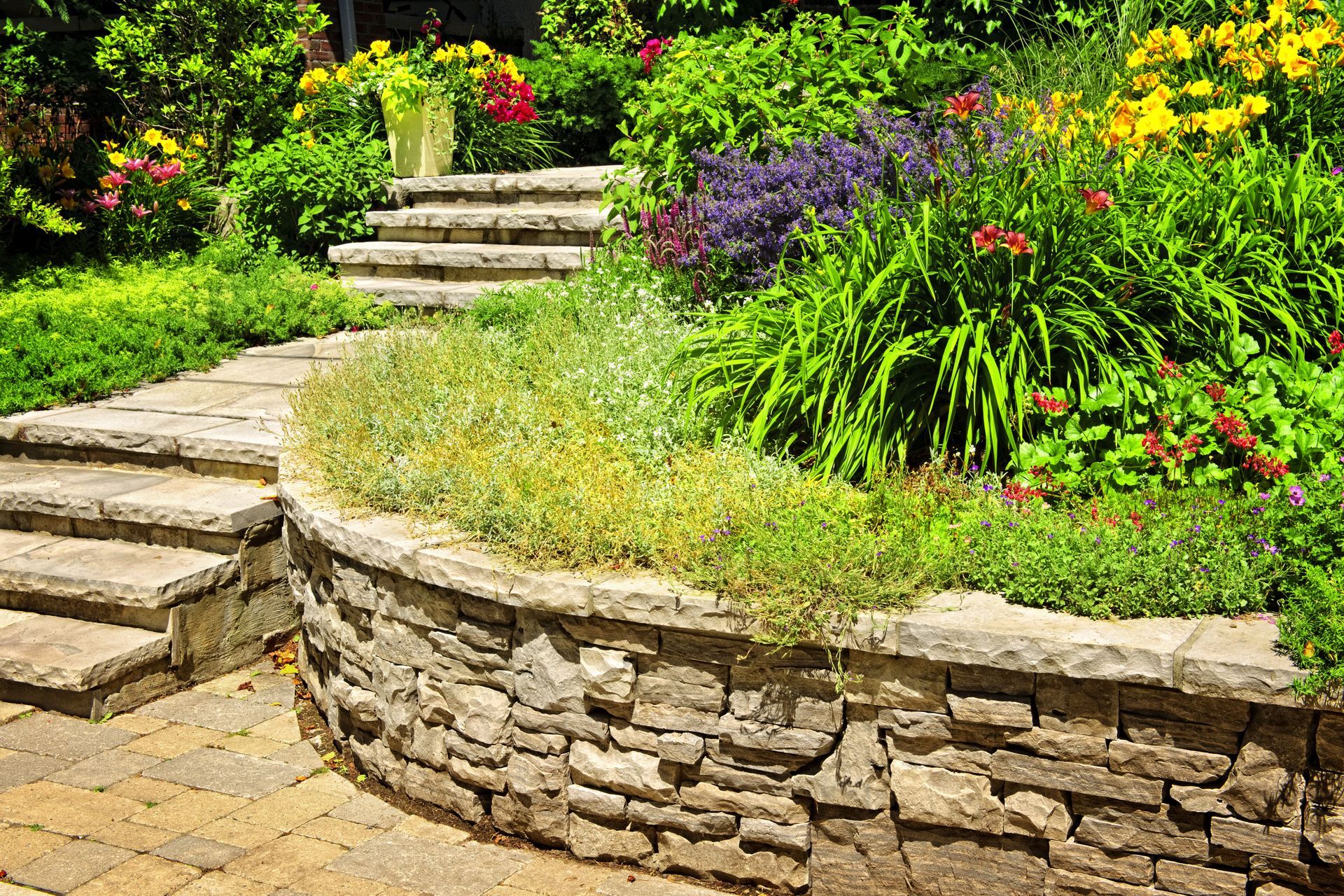
Hardscaping plays a critical role in controlling soil erosion, particularly on sloped properties. Retaining walls constructed from durable materials hold soil in place, preventing washouts and land degradation. These structures not only stabilize the land but also offer additional planting beds when integrated into the landscape design. By managing erosion efficiently, hardscaping preserves the integrity and layout of outdoor spaces, allowing plants and lawns to flourish without the threat of soil loss. This functionality extends the longevity and sustainability of garden designs, safeguarding against weather-related challenges.
Through strategic design, hardscaping transforms previously unusable areas into functional spaces for leisure and entertainment. Patios and decks expand living areas from indoors to outdoors, providing venues for dining, relaxation, and socializing. By optimizing the layout of the yard, these features maximize space usage and provide additional room for activities and gatherings. According to This Old House, nearly 12% of homeowners who are renovating their property include the addition or upgrade of an outdoor kitchen, highlighting the growing trend of outdoor living spaces. This increase in usable space not only enhances the lifestyle of residents but can also lead to elevated property value, making it both a practical and lucrative improvement.
Hardscaping significantly contributes to effective drainage solutions, mitigating issues of standing water and flooding. Elements such as permeable pavers allow water to seep through to the ground beneath, reducing runoff and promoting efficient water management. These features assist in directing water away from structures, protecting foundations, and minimizing water-related damage. By incorporating well-designed drainage pathways, hardscaping ensures that lawns and gardens remain healthy and free from excessive moisture. Additionally, proper drainage supports the sustainability of the landscape, conserving resources and fostering a more resilient environment.
Incorporate Sustainable Hardscaping Solutions
Permeable pavers are an eco-friendly hardscaping option that greatly supports environmental sustainability. These specialized pavers allow rainwater to flow through gaps and into the soil, preventing surface runoff and reducing the burden on municipal stormwater systems. By facilitating natural filtration, permeable pavers enhance groundwater replenishment and help maintain ecological balance. Homeowners can choose various styles and materials to match their aesthetic preferences while committing to environmentally responsible practices. As urban areas continue to develop, incorporating permeable pavers into outdoor spaces presents a viable solution to managing water resources effectively.
Utilizing recycled materials in hardscaping is a sustainable choice that reduces the ecological impact of landscape design. Many hardscaping components are now available using reclaimed bricks, recycled concrete, and sustainably sourced wood, offering environmentally conscious options for construction. These materials reduce waste by repurposing existing resources, thereby conserving natural landscapes from excessive mining and harvesting. In doing so, using recycled materials in hardscaping promotes a cycle of reuse and conserves energy and natural resources. By selecting sustainable materials, homeowners contribute to global sustainability efforts while still achieving stunning and functional outdoor environments.
Water-efficient landscape design is integral to sustainable hardscaping, emphasizing the need to conserve water in the face of global shortages. By utilizing xeriscape principles and choosing drought-resistant plants, hardscape elements work in harmony with the natural geography to reduce water usage. Smart irrigation systems, complemented by strategic placement of pavers and gravel, further enhance water efficiency by delivering precise amounts only where needed. Advanced irrigation technologies combined with water-efficient hardscape practices help minimize waste, promoting conservation without compromising the beauty or functionality of the landscape. These advancements signify a commitment to resource sustainability and address rising environmental concerns in landscape design.
Increase Property Value With Durable Hardscape Design
Hardscaping significantly elevates the curb appeal of a property, enhancing first impressions and attracting potential buyers. Features like well-designed entry walkways, manicured driveways, and artistic stonework offer a visual welcome that sets a property apart. These elements not only appeal aesthetically but also signal to prospective buyers that the property has been well-maintained and thoughtfully designed. First impressions are crucial in the real estate market, and homes with appealing hardscape elements often secure a competitive edge. Enhanced curb appeal not only impacts aesthetics but can also lead to a faster sale in an increasingly competitive housing market.
Investing in hardscaping can significantly reduce maintenance costs over time, a critical factor contributing to property value. Unlike softscaping elements that require regular watering, pruning, and replanting, hardscaping demands minimal upkeep once installed. Materials such as pavers, stones, and bricks are durable and resilient, withstanding weather changes and wear with little need for replacement or repair. This reduced maintenance burden translates into cost savings, improving the financial attractiveness of the property to potential buyers. The low-maintenance nature of hardscaping contributes to long-term savings, providing homeowners with more leisure time to enjoy their outdoor spaces.
Hardscaping plays a vital role in shaping outdoor spaces that are both visually appealing and highly functional. From improving drainage and preventing erosion to creating gathering areas and enhancing curb appeal, these structural elements contribute to a more organized and usable landscape. With thoughtful planning and quality materials, hardscaping features can complement natural landscaping while providing long-term durability and minimal maintenance. As outdoor living continues to grow in popularity, incorporating hardscape elements remains one of the most effective ways to improve the overall design and value of a property. A well-planned hardscape ensures that your yard remains beautiful, practical, and enjoyable for years to come. Reach out to Wolfrath's Nursery & Landscaping to learn more about our services today.
Share On: