
Landscaping Design Tips to Transform Your Yard
A well-designed landscape does more than improve curb appeal. It can also reshape how an outdoor space functions, feels, and adds long-term value. Whether the goal is to create a more usable yard, improve visual cohesion, or introduce lasting structure, the right design approach blends natural elements with built features. This is where thoughtful planning and strategic hardscaping come into play.
Professional landscape design takes into account site conditions, layout, drainage, and long-term maintenance to create an outdoor environment that performs as well as it looks. Landscaping companies can bring decades of experience in designing and building cohesive outdoor spaces, helping property owners move beyond surface-level improvements into fully realized landscapes.
Below are key landscaping design principles that can transform any yard into a more functional and visually refined space.
Creating a Cohesive Landscape Plan
Every successful landscape begins with a unified plan. Without a clear direction, outdoor spaces can feel disjointed, with elements competing instead of complementing each other.
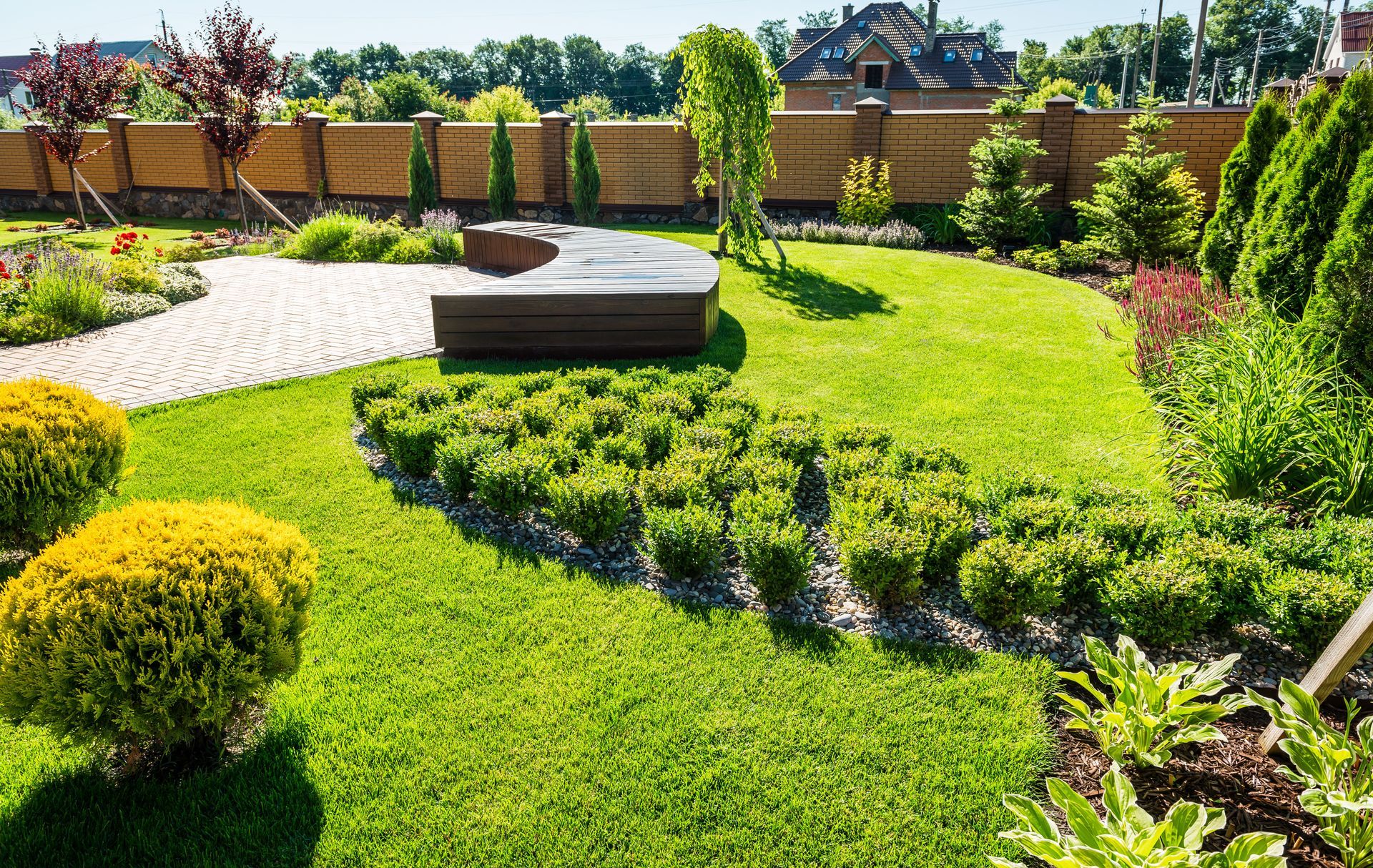
A cohesive design aligns layout, materials, and plant selections into a single vision. This often includes defining zones, such as entertainment areas, pathways, and green spaces, while maintaining visual flow between them. Hardscaping plays a central role here, helping establish structure through patios, walkways, and retaining features that anchor the overall design.
Working with a professional allows for a comprehensive evaluation of the property, including soil conditions, grading, and sun exposure. These factors influence both plant health and the longevity of hardscaping elements. A well-developed plan also accounts for how the space will evolve over time, preventing costly adjustments later.
Incorporating Structural Hardscaping Elements
Hardscaping is the backbone of modern landscape design. While plants provide color and texture, hardscaping introduces durability, functionality, and definition.
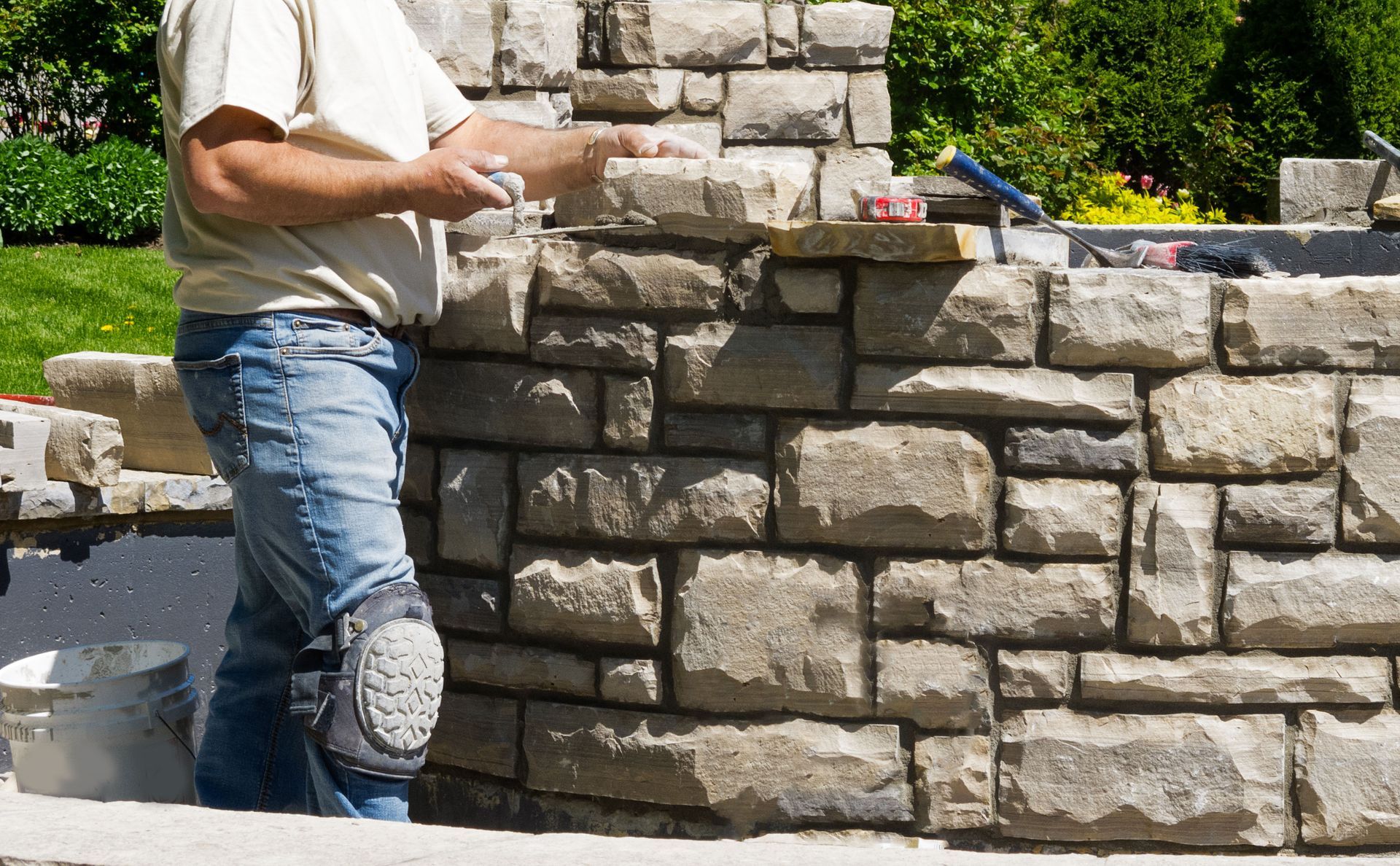
Elements such as patios, retaining walls, and pathways create usable outdoor living areas while improving accessibility and organization. For example, a professionally designed patio can extend living space outdoors, while retaining walls can address slope challenges and prevent erosion.
Integrating hardscaping early in the design process ensures these features feel intentional rather than added on. Material selection, whether natural stone, pavers, or concrete, should align with the property's architecture for a consistent look.
Professionally installed hardscaping also improves long-term performance. Proper base preparation, drainage planning, and installation techniques reduce shifting, cracking, and water-related issues over time.
Balancing Softscape and Hardscape Features
An effective landscape design strikes the right balance between softscape, plants, lawns, and trees, and hardscape, built elements. Too much of one can make a yard feel either overly rigid or difficult to maintain.
Hardscaping provides structure, while softscape softens edges and introduces seasonal variation. For instance, planting beds around patios or along walkways helps integrate hardscaping into the natural environment, preventing harsh transitions.
This balance also impacts maintenance. Increasing hardscaping in high-traffic areas can reduce wear on grass and minimize upkeep, while strategically placed plantings enhance visual appeal without overwhelming the space.
Professionals evaluate how these elements interact, ensuring that neither dominates the design and that both contribute to a unified outdoor environment.
Designing Functional Outdoor Living Spaces
Modern landscaping goes beyond aesthetics—it focuses on usability. Outdoor spaces are increasingly designed to support activities such as dining, entertaining, and relaxation.
Functional design begins with understanding how the space will be used. This influences the size and placement of features like patios, seating areas, and pathways. Hardscaping is essential here, providing stable, durable surfaces that support daily use.
Well-planned layouts also consider flow and accessibility. Walkways should connect key areas naturally, while seating zones should feel integrated rather than isolated. Lighting, elevation changes, and material transitions all contribute to how the space is experienced.
Professional design brings these elements together into a cohesive layout that supports both everyday use and long-term flexibility.
Enhancing Property Value Through Design
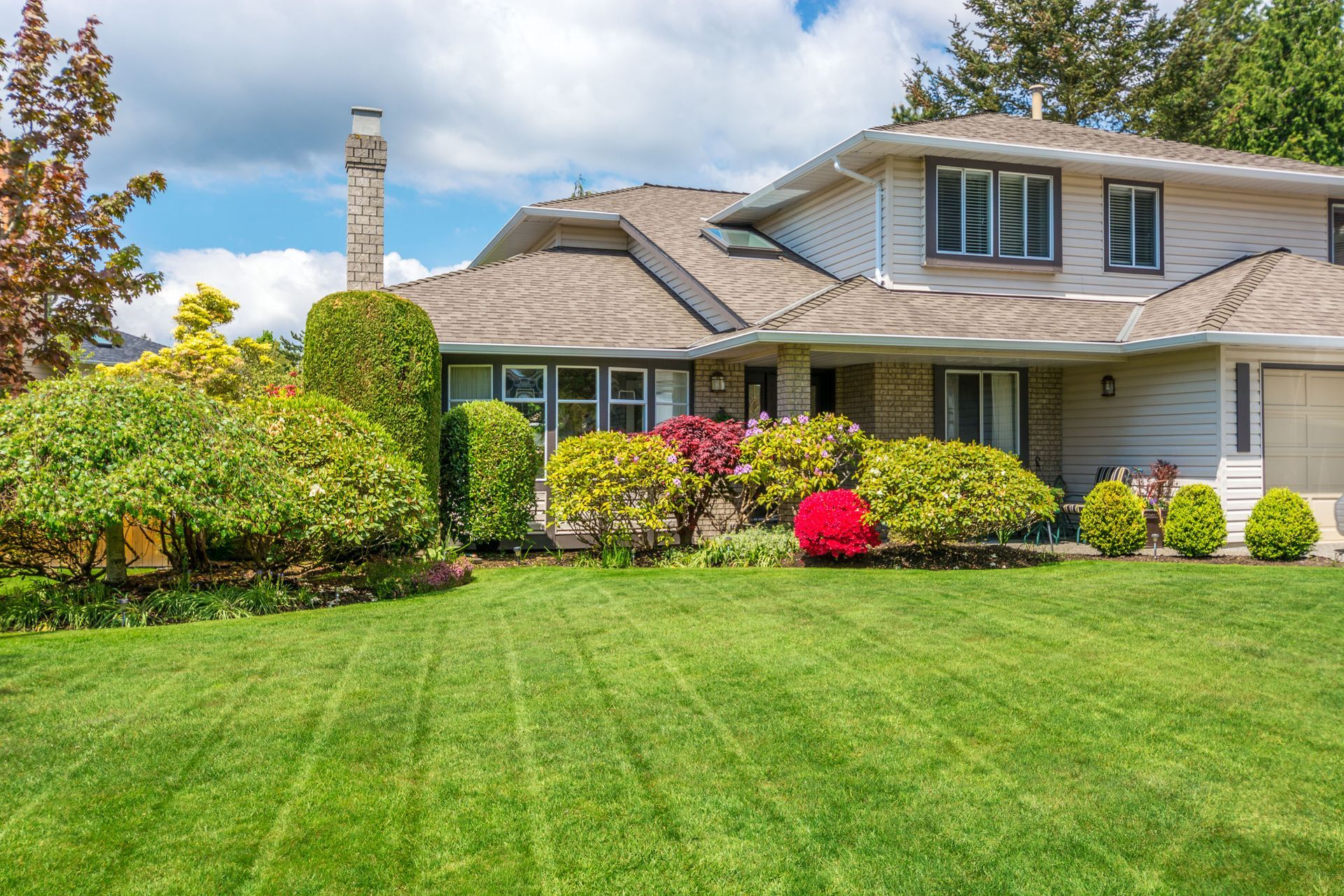
Landscaping is one of the few property improvements that combines visual impact with measurable value. A thoughtfully designed yard can increase curb appeal and make a strong first impression, while also enhancing functionality, organization, and overall usability of outdoor spaces.
According to This Old House, 18 to 34-year-olds spend more on landscaping than older generations. This shift reflects a growing emphasis on outdoor living and well-designed environments that support both aesthetics and everyday use.
Incorporating hardscaping features such as patios, walkways, and retaining walls adds permanence and perceived value, making the property more attractive to future buyers.
Professional landscape design also minimizes costly mistakes. By addressing grading, drainage, and layout from the start, it reduces the likelihood of future repairs or redesigns, while improving long-term performance, durability, and overall landscape efficiency.
Improving Drainage and Site Functionality
One of the most overlooked aspects of landscaping is drainage. Poor water management can lead to erosion, pooling, and damage to both plants and structures.
Hardscaping plays a critical role in directing water flow. Features like retaining walls, grading adjustments, and permeable surfaces help manage runoff effectively. Proper installation ensures that water is directed away from structures and planting areas.
Professionals assess the natural slope of the property and design solutions that integrate seamlessly into the landscape. This prevents functional issues while maintaining visual appeal. Addressing drainage early in the design process is far more efficient than correcting problems after installation.
Selecting Materials for Long-Term Performance
Material selection has a direct impact on the durability and appearance of a landscape. Different hardscaping materials offer varying levels of strength, maintenance requirements, and aesthetic appeal.
Natural stone provides a timeless look, while concrete pavers offer versatility and consistency. The choice depends on the design goals, budget, and environmental conditions.
Professionals consider factors such as climate, soil movement, and usage when recommending materials. This helps prevent premature wear and maintains the integrity of hardscaping features over time. Consistency in material selection also contributes to a cohesive design, tying together different areas of the landscape.
Planning for Seasonal Interest and Growth
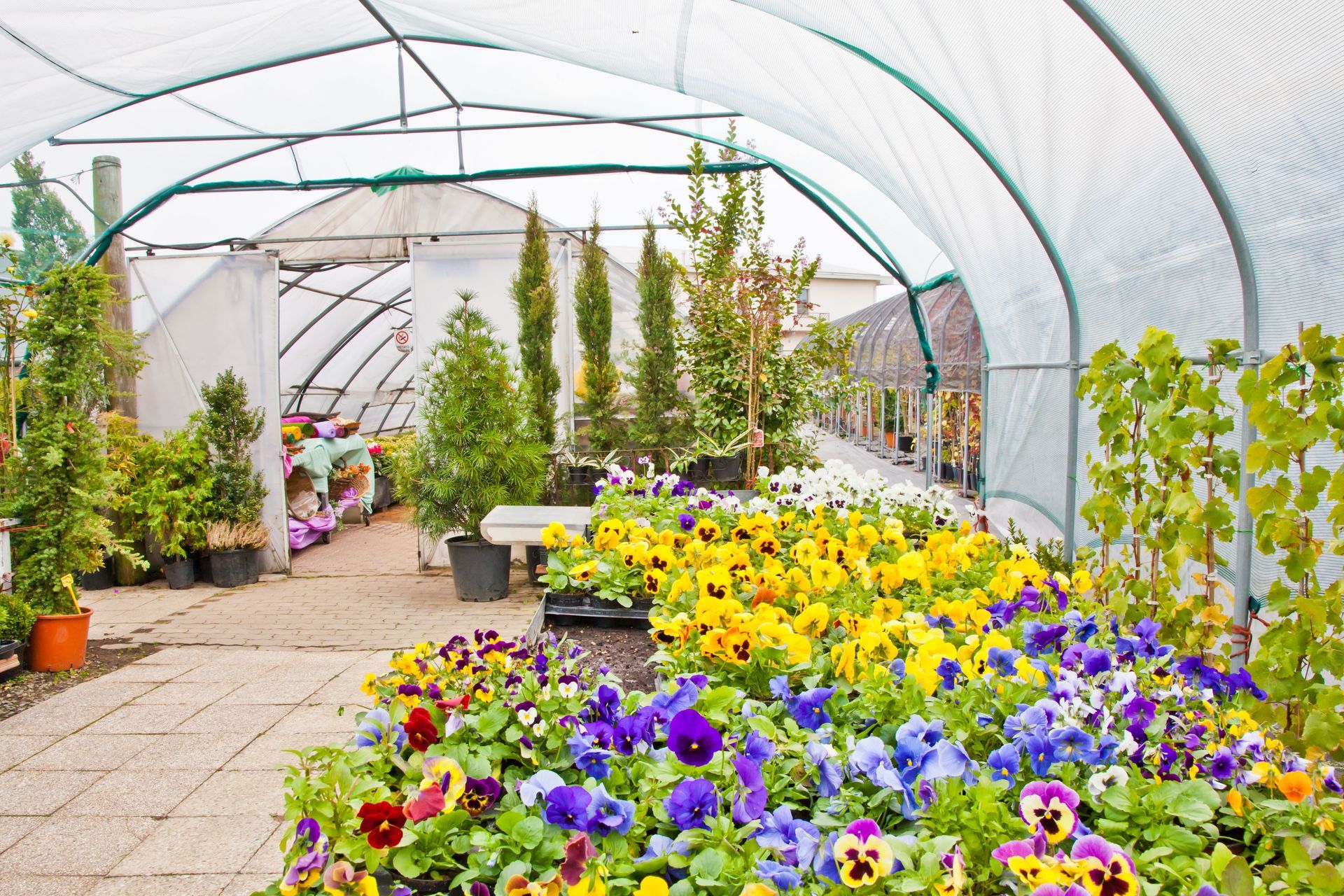
A well-designed landscape evolves throughout the year. Seasonal changes in color, texture, and growth patterns add depth and variety to the outdoor space.
Hardscaping provides a stable framework that remains consistent year-round, while plantings introduce seasonal variation. This combination keeps the landscape visually engaging in every season.
Professional planning accounts for plant maturity, spacing, and long-term growth. This prevents overcrowding and maintains the intended design as the landscape matures. Incorporating evergreen elements alongside seasonal plantings helps maintain visual structure even during dormant periods.
Working with Professionals for Lasting Results
Landscape design involves far more than selecting plants or placing features. It requires an understanding of grading, materials, environmental conditions, and long-term performance.
Professional teams manage every aspect of the process, from initial planning to final installation. This includes coordinating hardscaping, plant selection, and site preparation into a cohesive design.
Engaging a professional also streamlines the process, reducing delays and avoiding costly revisions. The result is a landscape that not only looks refined but performs reliably over time.
Transforming a yard requires more than surface-level updates. It involves rethinking how the space is structured, used, and experienced. From integrating hardscaping elements to improving drainage and creating functional zones, every design decision contributes to the overall outcome. A well-executed plan brings together aesthetics, usability, and long-term performance.
Partnering with an experienced team allows property owners to achieve a cohesive, durable, and visually compelling outdoor space. To elevate your outdoor environment with professionally designed hardscaping, connect with Wolfrath's Nursery & Landscaping and start planning your transformation today.
Share On: