
How to Care for Fruit Trees for Better Harvests
Fruit trees can bring beauty, shade, and seasonal rewards to a yard, but they need consistent care to produce their best harvests. Whether you are growing apples, peaches, pears, cherries, or another variety, healthy trees depend on the right planting conditions, regular maintenance, and attention throughout the year. A strong harvest rarely happens by accident. It is usually the result of thoughtful planning and steady care.
Homeowners who want productive fruit trees should think beyond simply planting and waiting for fruit to appear. Soil quality, sunlight, watering, pruning, pest control, and seasonal preparation all affect how well a tree grows and produces. Working with a trusted tree nursery can also help you choose varieties that fit your property, climate, and long-term goals.
Choosing the Right Fruit Trees
The first step toward better harvests is selecting fruit trees that are well suited to your yard. Different fruit trees have different needs for sunlight, soil, spacing, and winter chill hours. A tree that grows well in one region may struggle in another if the climate is not a good match. Before planting, it is important to consider your local growing conditions and the amount of space available.
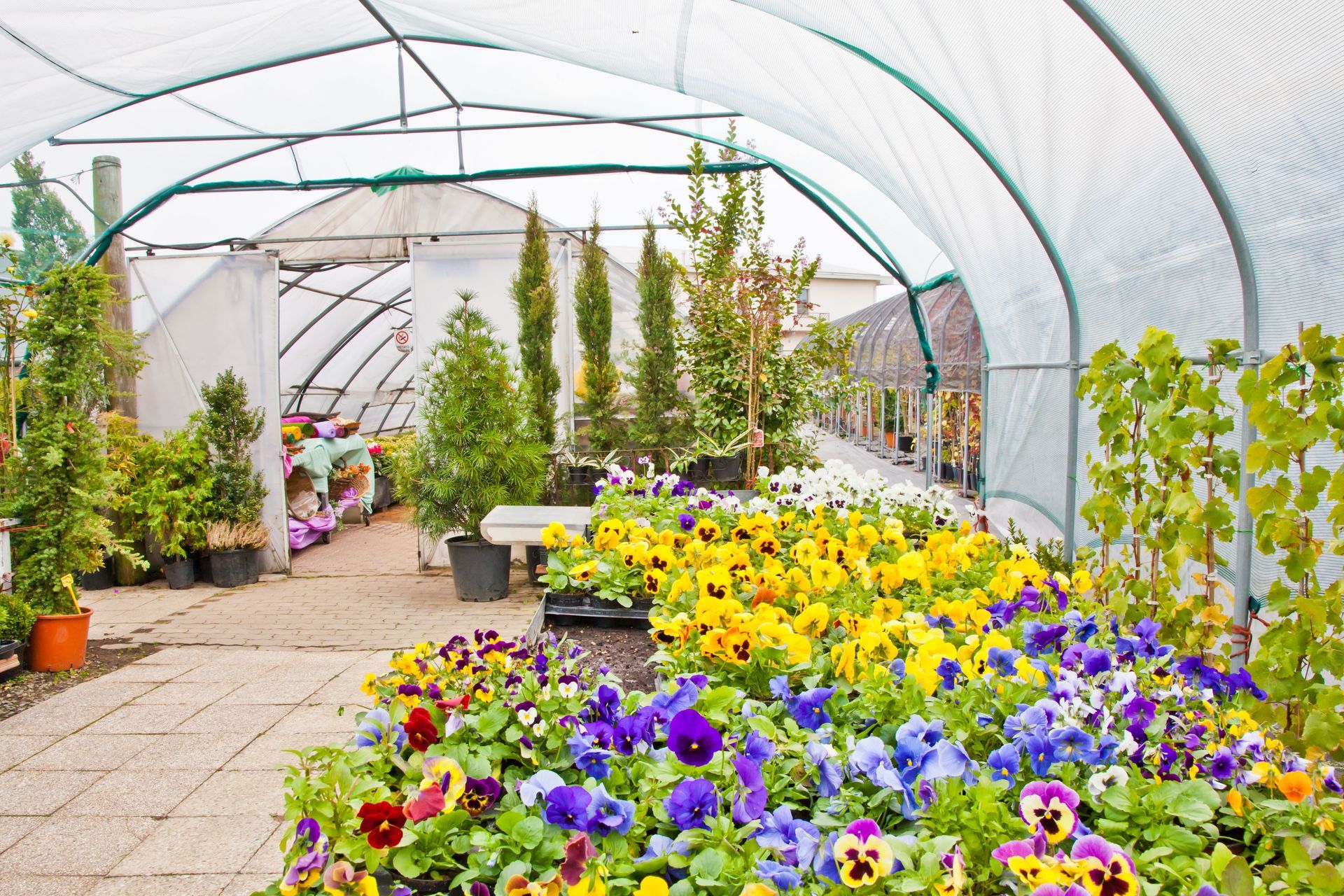
A tree nursery can help homeowners compare fruit tree varieties and understand which options are most likely to thrive. Some trees also require a compatible pollination partner nearby, while others are self-fruitful. Choosing the right variety from the start can reduce frustration later and give the tree a better chance of producing strong, reliable harvests over time.
Preparing the Planting Site
A productive fruit tree begins with a well-prepared planting site. Most fruit trees need full sun, which usually means at least six hours of direct sunlight each day. The site should also have good drainage because standing water can damage roots and weaken the tree. Before planting, homeowners should inspect the area for compacted soil, nearby structures, overhead wires, and competing roots.
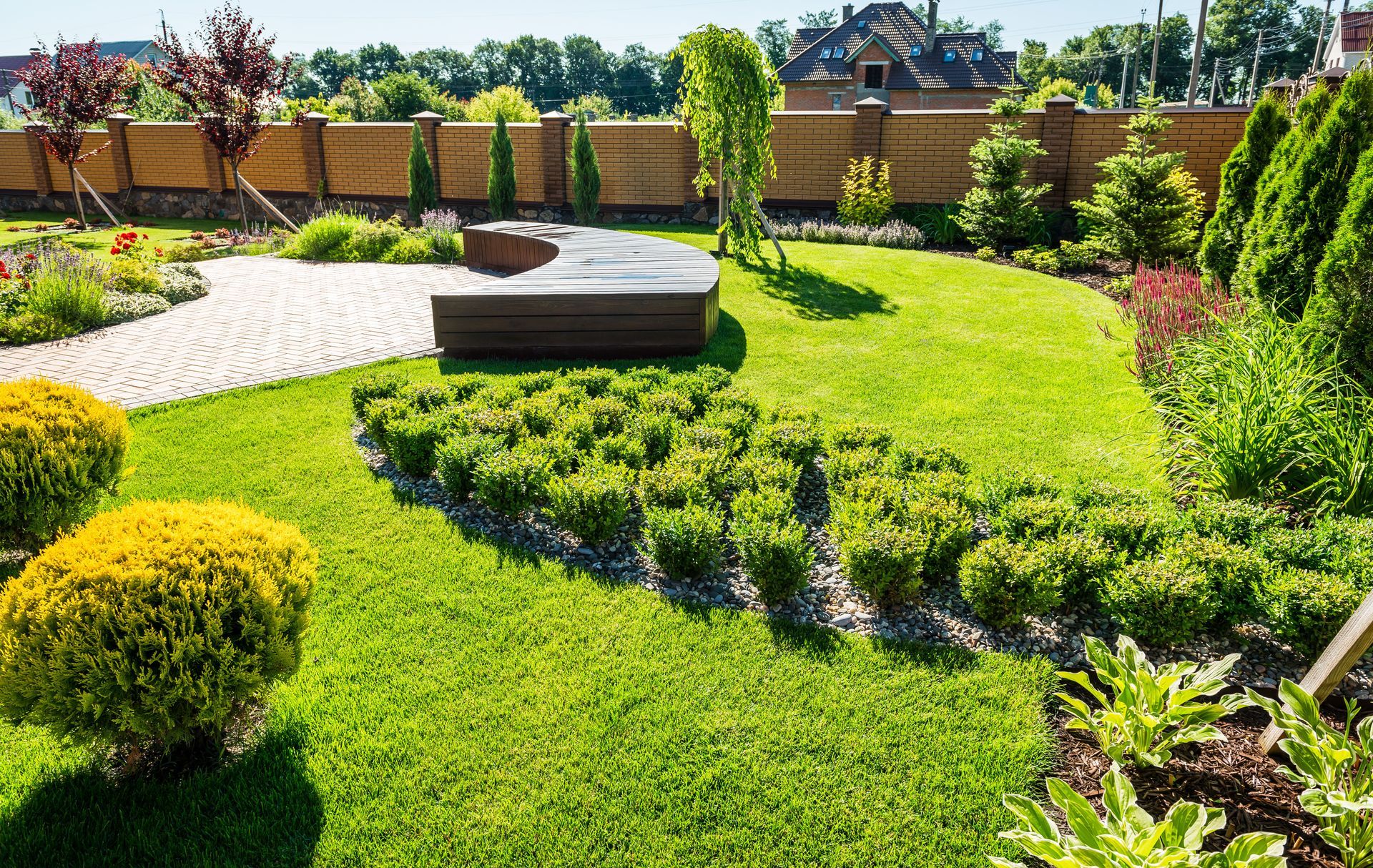
Soil preparation is also important. Loosening the soil and adding appropriate organic matter can help roots spread more easily. It is best to avoid planting too deeply, as this can stress the tree and lead to long-term problems. According to Gitnux, 2500 square feet is the typical size for most landscaping projects. Within any project size, proper placement is key to helping fruit trees grow without crowding.
Watering the Trees Consistently
Fruit trees need steady moisture, especially during their first few years after planting. Young trees are still developing root systems and may struggle during dry periods. Deep watering encourages roots to grow downward, making the tree stronger and more resilient. Shallow, frequent watering may keep the surface damp but often fails to support deeper root growth.
Established fruit trees still need attention during hot or dry weather, especially while fruit is developing. Too little water can lead to poor fruit size, premature fruit drop, or stress that affects future growth. Mulching around the base of the tree can help retain moisture and regulate soil temperature. A tree nursery may also offer guidance on watering needs for specific fruit tree varieties.
Pruning the Branches Correctly
Pruning is one of the most important tasks for improving fruit tree harvests. Proper pruning helps shape the tree, improve air circulation, allow sunlight to reach inner branches, and remove damaged or diseased wood. A tree with a crowded canopy may produce less fruit, and the fruit that does grow may be smaller or more vulnerable to disease.
The best pruning method depends on the type of fruit tree and its growth habit. Some trees respond well to open-center pruning, while others are trained with a central leader structure. Timing also matters, as pruning at the wrong time can reduce blossoms or expose the tree to stress. Careful pruning encourages stronger branch structure and makes harvesting easier.
Supporting Healthy Pollination
Pollination plays a major role in fruit production. Some fruit trees need pollen from a different compatible variety to set fruit, while others can produce fruit on their own. Even self-fruitful trees may produce better harvests when pollinators are active nearby. Bees and other beneficial insects help move pollen from flower to flower, supporting fruit development.
Homeowners can encourage pollination by planting flowers that attract bees and avoiding unnecessary pesticide use during bloom periods. If a tree requires cross-pollination, another compatible tree should be planted within a reasonable distance. A tree nursery can help identify which varieties work well together so homeowners can plan for better fruit production before planting.
Managing Pests and Diseases
Fruit trees can attract insects, wildlife, and diseases that affect both tree health and harvest quality. Common problems may include aphids, borers, mites, fungal diseases, leaf spots, and fruit rot. Regular inspections can help homeowners catch issues early before they spread. Looking at leaves, branches, bark, blossoms, and developing fruit can reveal signs of trouble.
Good tree care can reduce pest and disease pressure. Pruning for airflow, cleaning up fallen fruit, removing diseased branches, and keeping the area around the tree tidy can all help. When treatment is needed, it is important to choose options that match the problem and the season. A tree nursery may provide recommendations for prevention and treatment based on local conditions.
Protecting the Trees Seasonally
Fruit trees need different care throughout the year. In spring, homeowners should monitor blossoms, watering needs, pests, and early growth. Summer care often focuses on watering, thinning fruit, checking for disease, and protecting developing harvests. Fall is a good time to clean up fallen leaves and fruit, while winter may involve pruning and protection from extreme cold.
Seasonal protection can also include guarding trunks from wildlife, preventing sunscald, and preparing young trees for freezing temperatures. In some cases, fruit may need thinning so remaining fruit can grow larger and healthier. Paying attention to the tree’s needs in each season helps support both current and future harvests.
Harvesting the Fruit Carefully
Harvest timing affects flavor, texture, and storage life. Fruit picked too early may lack sweetness, while fruit left too long can become overripe, attract pests, or fall from the tree. Each type of fruit has its own signs of ripeness. Color, firmness, fragrance, ease of picking, and taste can all help indicate when fruit is ready.
Careful handling during harvest helps prevent bruising and damage. Some fruit should be twisted gently from the branch, while other types require clippers to avoid harming the tree. After harvest, fruit should be stored according to its needs. Better harvesting practices can improve the quality of the fruit and protect the tree for the next growing season.
Maintaining Long-Term Tree Health
Fruit trees can remain productive for many years when they receive consistent care. Long-term maintenance includes watering during drought, pruning regularly, monitoring for problems, improving soil health, and protecting the tree from damage. A neglected tree may still survive, but it may produce smaller harvests or become more vulnerable to disease and stress.
It is also helpful to review the tree’s performance each year. If fruit production declines, the cause may involve pollination, pruning, nutrients, pests, or weather conditions. Keeping notes about bloom time, harvest quality, and care practices can help homeowners make better decisions. Support from a tree nursery can be valuable when troubleshooting problems or planning future additions to the landscape.
Caring for fruit trees requires patience, consistency, and attention to detail, but the rewards can be well worth the effort. Better harvests begin with choosing the right trees, preparing the site, watering properly, pruning carefully, supporting pollination, and protecting against seasonal challenges. With the right approach, fruit trees can become a productive and beautiful part of your landscape for years to come. For expert help with fruit trees, landscaping, and plant selection, contact Wolfrath's Nursery & Landscaping, a reliable tree nursery.

Share On: